
The most human skill to learn in the AI era
why it matters and how to learn it

Taste is the new skill
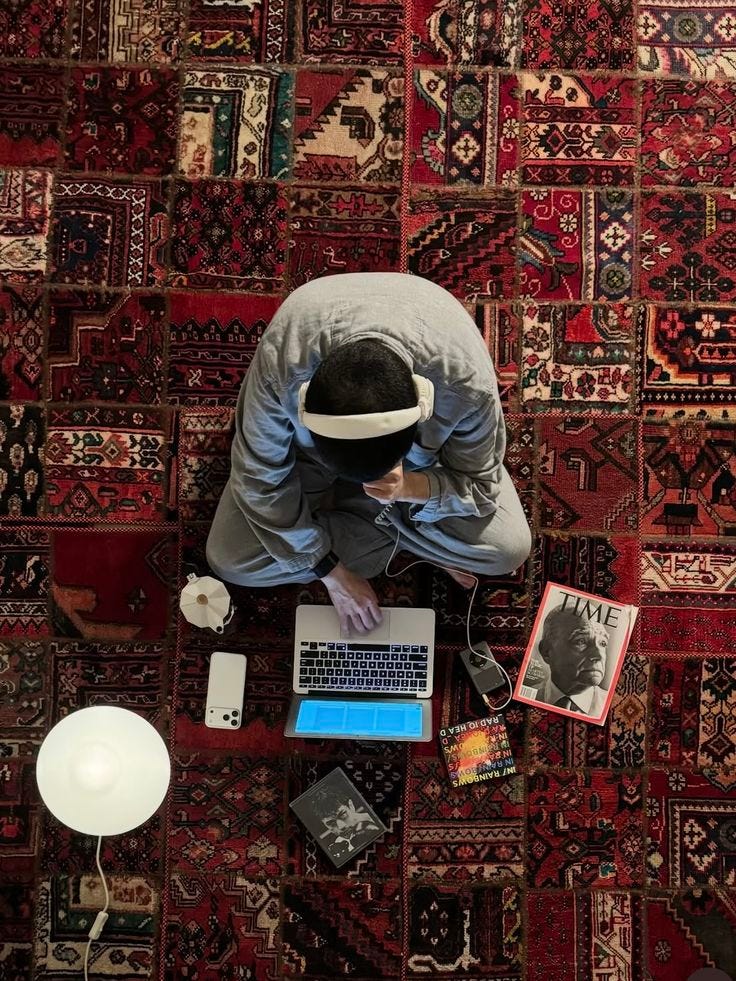
At the end of 2022, Rick Rubin (legendary music producer to Beastie Boys, Kanye, Red Hot Chili Peppers and…Shakira) became a meme.
He did an interview and said he gets paid millions for, quote, ‘having no technical ability, just the confidence I have in my taste’.
This was ridiculed at the time. As at that time, the idea of being paid so much for ‘not doing’, and just overseeing was out of touch with most people’s idea of what work is. The interview aired a few weeks after ChatGPT launched. The single event which sent AI adoption into the mainstream.
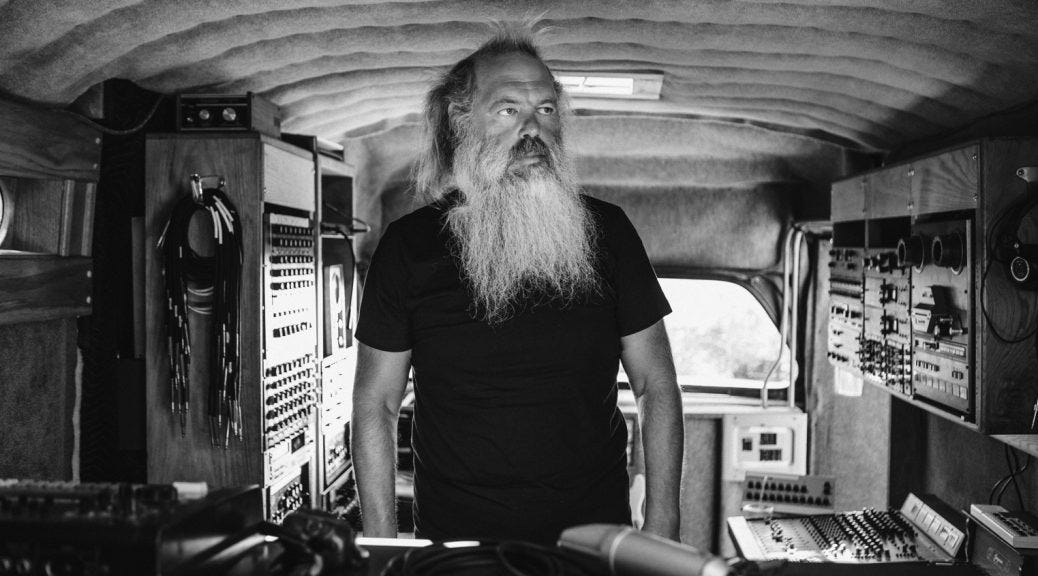
How times change.
Three years on, “taste” is the word everyone in tech is throwing around. Founders, designers, VCs. It’s in bios, in pitch decks, in every other thread. And there’s one specific reason it’s everywhere right now, but before we get there, I want to talk about what it actually is, because I think most people are using the word wrong.
Taste isn’t fashion.
It isn’t saying that’s a sexy B2B SaaS dashboard.
It’s not having an aesthetic. It’s the intuition for what works in whatever context you’re operating in. It’s looking at something and knowing, before you can fully explain why, that it’s 80% there versus actually done.
And the part nobody talks about is that taste on its own isn’t enough. You also have to be assertive enough to defend it. To sit in a room and say this is off, here’s why, and here’s what would make it better.
Without that second piece, taste is just a private opinion.
I used to work in branding (if you follow my social media you’ll know I’ve had many different jobs). Every single piece of creative work, every campaign, every concept, got funneled to one female director in her 50’s. She’d sit in a room alone with the ideas. After sometimes an hour would come out of the room and either say yes or no. From the outside it looked like magic, but it was thousands of hours of looking at things and forming opinions about them. When I think of good taste professionally, I always think of that.
It’s also exactly the thing AI can’t do.
Some people will tell you AI already has better taste than most of us, and honestly, they’re not entirely wrong. It’s been trained on millions of examples of what humans consider good, and it’s genuinely great at mimicking aesthetic judgment. But there’s a ceiling. AI defaults to the middle. It can only respond to what already exists. It can’t pursue something that feels right when the data is ambiguous. It can’t decide what deserves to exist in the first place.
Humans push culture forward. AI catches up.
And this is the shift I think most people are missing. Hiring has always screened for skills and experience, which are basically proxies for one question: can this person produce output? But AI just compressed that gap. The distance between a mediocre hire and a good one, measured in raw output, is now tiny. Both can ship. Both can write something that reads fine. Both can design something that looks reasonable.
So the question changes. It becomes: do they know what good actually looks like? Can they tell when something is 80% there versus done? Can they look at their own work like a user instead of the person who made it?
That’s taste. And it’s about to be the thing that separates people.
The good news is it’s learnable.
If it were purely subjective, no one would ever get better at it, and people clearly do.
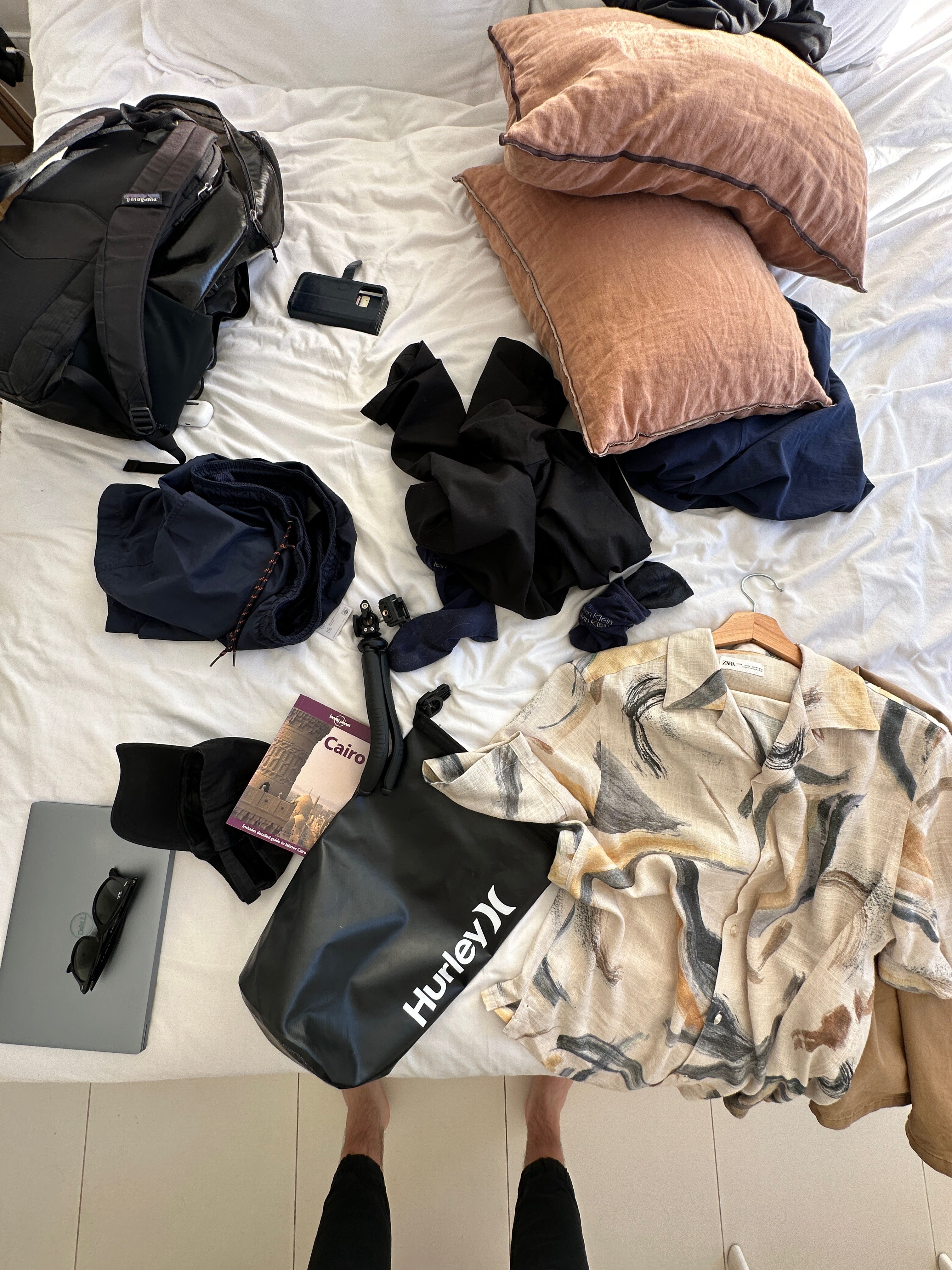
You build it through immersion. Soaking yourself in great work, in your field and outside it. Then forming opinions. Out loud. Deciding what you admire and what you don’t and figuring out why. For years, taste wasn’t something people actively worked on. They consume work passively and assume taste will just accumulate. It doesn’t. You build it by actually committing to a judgment and being willing to be wrong about it.
Spending time around people with taste you respect can be a short cut. Shadowing a manager, coming towards the end of their career. Watch what they reject that looked fine to you. Ask why. It’s how a sommelier trains an apprentice. You can’t shortcut the exposure but you can compound it.
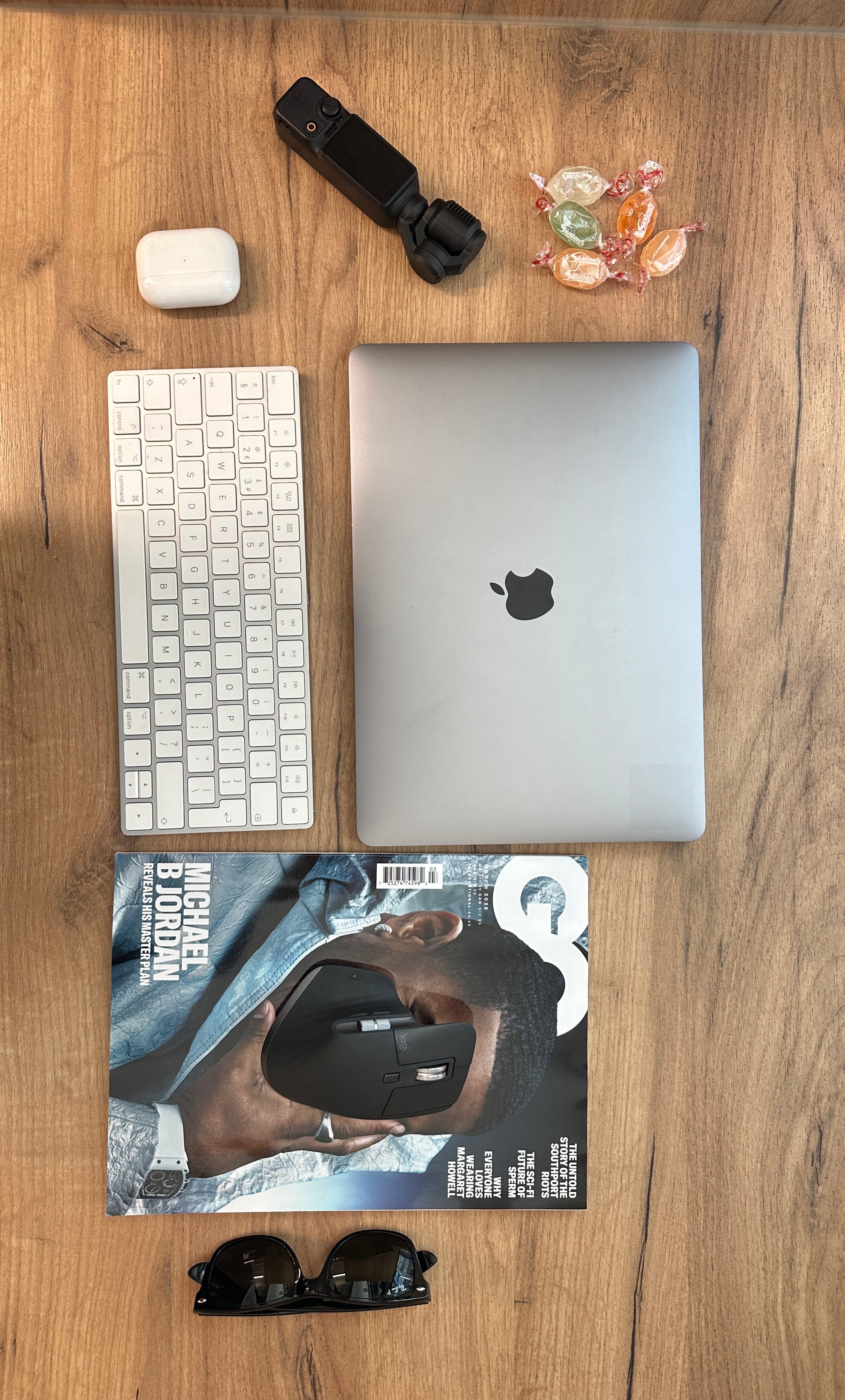
Which brings me back to why this is suddenly everywhere.
For most of history, taste was a niche advantage. The art director at a magazine. The producer in a studio. A few thousand people might experience the result of their judgment.
That’s not the world anymore.
One person with a laptop can ship software that reaches billions (picture Mark Zuckerberg building Facebook from his dorm room). The taste calls, what to build, how it should feel, the taste of distribution, are now worth billions of dollars.
That’s the reason everyone’s obsessed with it. Not because it’s a new idea. Taste has always mattered. It’s that the leverage on it just went up by orders of magnitude.

Personal Update
Writing Medellin, Colombia, with this being my current view. After a chilled start to the year, locking in here till the summer. Been working on building my app which I aim to release by the summer, and making YouTube videos. Latest one below.
See you in the next one
A